| |
Professional Gaming
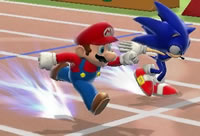
Before the 2008 Beijing Olympics really got going, there was a strange rumour circulating on the internet. Based on some highly dubious, but excitable source, people were saying that China was going to include video game-playing in the roster of Olympic sports.
Now, as fanciful and vaguely ludicrous as this might sound, there is something deadly serious behind this rumour - a portentous glimpse of something in the not too distant future; a reflection, in fact, of something that is already afoot: The professionalization of video game playing. Already there are some who make not just a decent living, but hundreds of thousands of dollars through games tournaments and events. One player, who goes by the sobriquet Fatal1ty (a nod to Mortal Kombat's gory climax), made £100k last year. An amount certainly NOT to be sniffed at.
Now, you may be thinking "I'm pretty good at Mario Kart! - Maybe I could make a mint playing games, too!" But it's worth understanding that, much like any other professional sport, video game playing requires an extraordinary amount of training and dedication. And although playing games seems like the easiest training in the world, it can, apparently, be just as draining. It's certainly as all-consuming. Don't expect to hold on to much of a real social life if you expect to be able to take on the world's best games players.
Korea and China lead the way in games playing culture, and it's not surprising to find that these two countries are pretty much the only two who have truly embraced the idea of competitive game playing. Games like Starcraft have television shows documenting particularly competitive bouts between players. Over here, this certainly feels a long way off.
There are of course some real downsides to being dependent upon a profession where technology is key. A pro gamer might spend years honing their art in a particular game format, when suddenly tournaments the world over decide to shift to a different game altogether. This move pretty much retires a vast swathe of gamers who are incapable, for whatever reason, of shifting to the new game. It's a fickle world, which means that longevity in such an industry is completely reliant upon adaptability.
Video game playing has a long way to go before it's welcomed into the Olympic canon - but the tentative steps are being taken to get it there. Meanwhile, amateurs like you and I can still seek pleasurable solace in arcade games at places like playsega.co.uk - a competitive bit of play free from the pressures of money-making.
|
|
|